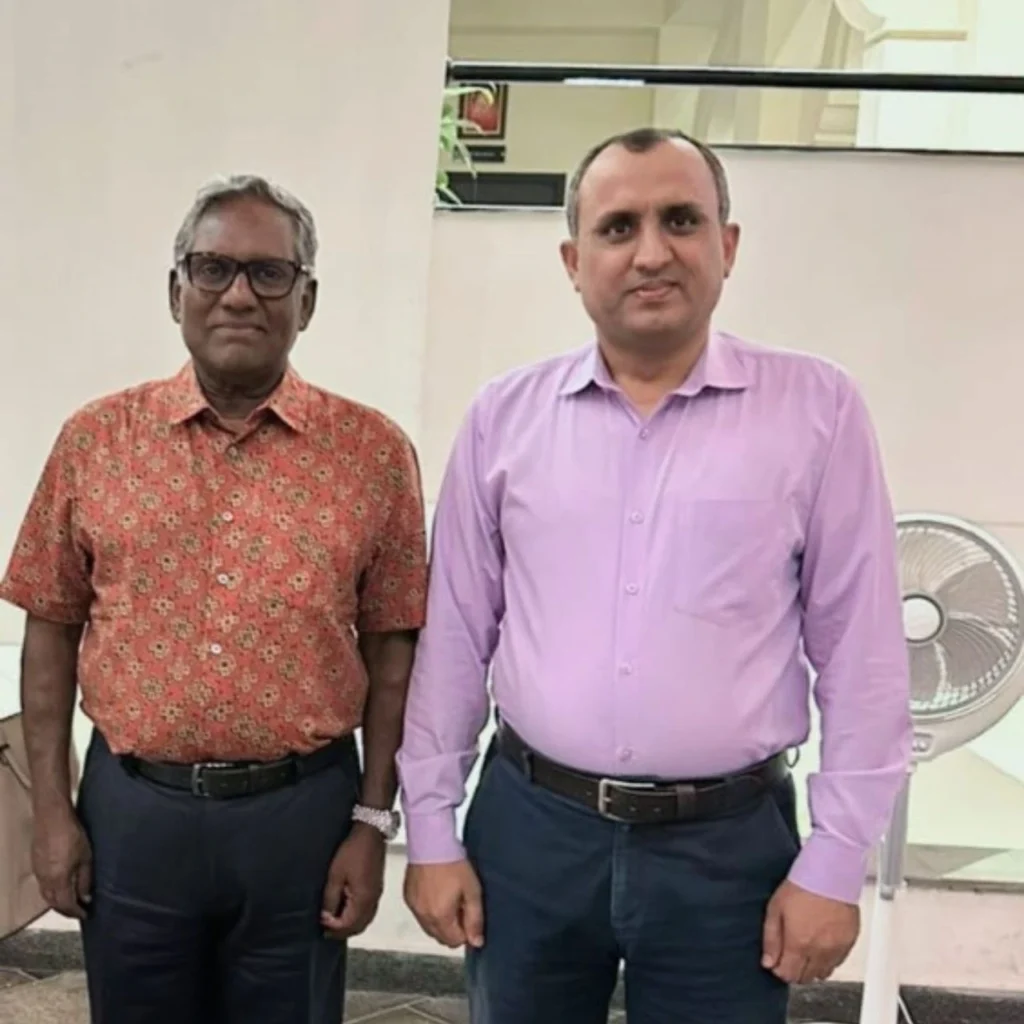
Author name: Muhammad Asif

Change Makers

Akhuwat: A Revolution of Compassion, Education, and Transformation

In a world where economic disparity continues to widen the divide between privilege and poverty, Akhuwat stands as a symbol of hope, dignity, and self-reliance. More than an organization, Akhuwat is a revolution—one that replaces charity with opportunity, dependence with self-sufficiency, and barriers with limitless possibilities. At the heart of this movement is Dr. Amjad Saqib, a visionary who transformed a simple idea into a global model of social justice. His philosophy, rooted in Mawakhat (brotherhood), is not just a vision—it is a call to action. Dr. Amjad Saqib reminds us of the stark reality of poverty: جب تک پاکستان میں ایک بھی شخص غریب ہے، ہم سب غریب ہیں۔ (“As long as even a single person in Pakistan remains poor, we are all poor.”) Poverty is not just the struggle of the underprivileged—it is a test for society as a whole. True progress lies not in individual success but in collective advancement, ensuring that no one is left behind. Reviving the Spirit of Brotherhood History does not remember societies for their wealth but for their compassion. The Ansar of Madinah did not just extend their generosity—they shared their homes, resources, and livelihoods, ensuring dignity for all. This principle of Mawakhat—of giving without superiority and receiving without inferiority—became the foundation of one of the most just societies in history. Akhuwat revives this sacred tradition, ensuring that those who receive support today become givers tomorrow, continuing the cycle of compassion, dignity, and empowerment. As Dr. Amjad Saqib beautifully puts it: آسمان اور زمین کے درمیان جو کچھ ہے، وہ سب رب کا ہے، اور جو رب کا ہے، وہ سب کا ہے۔ (“Everything between the heavens and the earth belongs to the Creator, and what belongs to the Creator belongs to all.”) This philosophy drives Akhuwat’s commitment to collective well-being—resources should not be hoarded by a few but should uplift all of humanity. The Vision of Akhuwat: Beyond Charity, Toward Empowerment Akhuwat’s mission extends beyond financial assistance. It aims to eradicate poverty through education, ethical leadership, and economic self-reliance. Unlike traditional charitable models, Akhuwat focuses on self-sufficiency, dignity, and community service, ensuring that today’s beneficiaries become tomorrow’s leaders. Dr. Amjad Saqib believes that the lack of opportunities—not the lack of talent—traps people in poverty: لوگ اس لیے غریب نہیں کہ ان میں صلاحیت کی کمی ہے، لوگ اس لیے غریب ہیں کیونکہ ہم انہیں مواقع نہیں دیتے۔ (“People are not poor because they lack ability; they are poor because we do not provide them with opportunities.”) This belief drives Akhuwat’s holistic approach—empowering individuals through education, financial support, and leadership training, so they can break the cycle of poverty and transform their communities. Akhuwat’s Residential Institutions: A Gateway to Transformation Akhuwat’s most powerful testament to its vision is Pakistan’s first-ever tuition-free residential institutions, established in Kasur and Chakwal. These centers of learning provide not just education but a life-changing experience, equipping talented youth from underserved backgrounds with knowledge, mentorship, and opportunities for success. What Sets ACK and ACWC Apart? At Akhuwat, students don’t just earn degrees—they define their destinies. Education is not just about acquiring knowledge; it is about awakening the soul, igniting curiosity, and cultivating the will to transform society. Akhuwat’s Impact: A Model for the Future Akhuwat’s success lies in its multi-dimensional approach, which combats poverty through education, financial inclusion, and social reform. This cycle of giving, learning, and leading creates long-lasting change, not temporary relief. “If wealth does not serve humanity, it is a burden, not a blessing.” — Dr. Amjad Saqib The Ripple Effect: Transforming Generations The impact of Akhuwat extends far beyond the individuals it supports. A student educated is not just changing their own life—they are uplifting entire families, communities, and future generations. “When you lift one person out of poverty, you change not just one life, but generations to come.” — Dr. Amjad Saqib By transforming recipients into leaders and philanthropists, Akhuwat is creating a new wave of changemakers who will continue this mission for years to come. Be the Change: How You Can Support Akhuwat Akhuwat’s success is driven by those who believe in a world where opportunity is a right, not a privilege. This is your chance to be part of something greater—something truly extraordinary. “Akhuwat is not just a non-profit organization; it is a movement that transforms hearts, minds, and actions.” — Dr. Amjad Saqib Conclusion: A Legacy of Leadership and Impact Akhuwat proves that compassion, when structured with purpose, can change the world. It is not about helping the poor—it is about eliminating poverty through opportunity. It transforms students into leaders, recipients into donors, and barriers into breakthroughs. This philosophy is best captured in the words of Dr. Amjad Saqib, who states, “True success is not in accumulating wealth, but in distributing it for the betterment of others.” The future is not shaped by those who wait—it is built by those who act. Step forward. Transform lives. Shape history—with Akhuwat.

Productivity

How to Manage Work: Teaching, Writing, Administration, and Leadership Without Burnout

In the stillness of early morning, when the world is wrapped in silence and the first light of dawn stretches across the sky, I sit at my desk. The hum of my laptop is the only sound, a quiet companion to the symphony of thoughts in my mind. Teaching, writing, leading, administering—each role is a thread in the tapestry of my life. And yet, I wonder, as I sip my tea, how to weave these threads without unraveling. This is the modern professional’s journey: a quest to balance the urgent and the important, the creative and the mundane, the giving and the preserving. It is a journey fraught with exhaustion but also brimming with possibility. This is not just a guide; it is a manifesto for those who refuse to burn out, who choose instead to rise, to thrive, to lead with clarity and purpose. The Rhythm of Energy: Work with Precision Time is a relentless river, but energy is the current that carries us. I once believed that working longer meant achieving more, but no amount of time can compensate for depleted energy. I began to observe the natural rhythms of my mind. Mornings were my strongest hours—my thoughts crisp, my focus unwavering. These golden hours became sacred for teaching and writing. Afternoons, when my energy waned, became the time for emails, meetings, and administrative tasks. Steven Pressfield captured it best: The most important thing about art is to work. Nothing else matters except sitting down every day and trying. By aligning my work with my natural energy cycles, I discovered flow, clarity, and sustainable productivity. The Art of Letting Go: The Power of Saying No For years, I believed that saying yes to every request was a sign of dedication. I carried every task as if it were my personal responsibility. But one day, buried under a mountain of unfinished work, I realized: not everything deserves my attention. Warren Buffett once said, The difference between successful people and really successful people is that really successful people say no to almost everything. I learned to say no. To delegate. To remove the unnecessary and focus on the essential. Saying no was not a failure—it was wisdom. The Sanctuary of Boundaries: Protect Your Mental Space There was a time when work consumed every corner of my life. My phone buzzed with emails late into the night, my laptop stayed open past midnight, and my mind was never at rest. Then, one evening, as I watched the sky darken, I made a decision. I would create boundaries—not just physical, but mental. I turned off notifications after hours. I set a strict time to close my laptop each day. I reclaimed moments for stillness, reflection, and thought. Brené Brown reminds us, Daring to set boundaries is about having the courage to love ourselves, even when we risk disappointing others. At first, it felt uncomfortable. But over time, I realized I wasn’t losing productivity—I was gaining clarity. The Beauty of Systems: Work Smarter, Not Harder Productivity is not about endless effort. It is about designing systems that streamline work, freeing the mind for higher-order thinking. I created structured workflows. Templates for lesson plans, grading rubrics that saved hours, automated reminders that kept me on track. These were not just efficiency tools; they were methods to preserve focus for what truly mattered. Tim Ferriss put it perfectly: Being busy is a form of laziness—lazy thinking and indiscriminate action. The Vision in Administration: Build, Don’t Just Maintain Administration once felt like an obligation, a mountain of paperwork draining my time. I was even doing tasks meant for my assistant—filing reports, scheduling meetings, and handling minutiae. But then I reframed my perspective. Peter Drucker wisely noted, Efficiency is doing things right; effectiveness is doing the right things. When approached with purpose, administration transforms into a tool for leadership and innovation. I began to delegate effectively, empowering my team to take ownership. I turned routine tasks into opportunities to excel, lead, and inspire. The Gift of Recovery: Rest to Rise I once viewed exhaustion as proof of my dedication. The later I worked, the more productive I believed I was. But I was wrong. Burnout is not a badge of honor; it is a symptom of imbalance. Arianna Huffington warns us, We think, mistakenly, that success is the result of the amount of time we put in at work, instead of the quality of time we put in. I began to prioritize sleep, to take walks, to embrace moments of stillness. And in that stillness, I found my creativity renewed. The Strength of Resilience: Build Mental Fortitude Resilience is not a trait—it is a practice. It is built through discipline, reflection, and a willingness to engage with complex ideas. Maya Angelou once said, You may encounter many defeats, but you must not be defeated. I expanded my reading beyond my field, kept a journal to refine my thoughts, and engaged in conversations that challenged and inspired me. The Power of Purpose: The Compass for Work At the heart of sustainable work is purpose. It is the why that fuels resilience. Simon Sinek teaches, People don’t buy what you do; they buy why you do it. I keep a vision journal, documenting moments of significance—a student who grasped a difficult concept, an article that sparked dialogue, a project that created meaningful change. These moments remind me why my work matters. The Urgent-Important Matrix: A Lifeline for Prioritization Not all tasks are created equal. The urgent shouts; the important whispers. But it’s the whispers that change lives. I began to use the Eisenhower Matrix to prioritize: This simple formula transformed my days, allowing me to focus on what truly matters. The Invitation: Lead with Strength, Work with Wisdom This is my story, but it does not end here. It is an invitation—to you—to step away from exhaustion and into a life of balance and meaningful work. The world does not need more burned-out professionals. It needs dreamers, thinkers, innovators,

Change Makers

The World Needs More Dreamers: Why Vision Matters More Than Talent

The world will be saved by the dreamers. – Albert Camus A hundred years from now, no one will remember the person who followed all the rules, who played life safely as if it were a well-written instruction manual. History does not remember the cautious. It does not immortalize pragmatists. It does not carve statues of those who simply followed convention. History remembers the rebels—the visionaries who refused to accept reality and dared to reimagine it. The ones who saw beyond the possible. The dreamers. Not just the talented. Not just the intellectuals. But those with the audacity to dream in a world that worships logic. Dreams: The Seeds of Every Great Revolution Mankind was born from dust and fire, with only stories to guide us. Long before the first machine was built, long before the first law was written, humanity dreamed. The greatest revolutions of thought were imagined before they were built. Before mankind lifted off the ground, Leonardo da Vinci sketched the anatomy of flight. Before the internet connected the world, Nikola Tesla envisioned a wireless global brain.Before space became a frontier for billionaires, a young boy named Elon Musk sat reading science fiction, dreaming of Mars. The world did not need these dreams to survive. But it did need them to evolve. “All men who have achieved great things have been great dreamers.”– Orison Swett Marden Dreams do not wait for permission. They arrive unannounced, often mocked, often dismissed. Pragmatists, armed with numbers and predictability, try to tear them down. But it is not logic that moves the world forward—it is madness with purpose. Why Vision Matters More Than Talent Talent is abundant. Knowledge is accessible. Skill can be taught. But vision? Vision is the last true scarcity. Talent adapts to the world. Vision creates a new one. Steve Jobs was not the greatest engineer. He did not code. He did not build computers with his own hands. But he saw what no one else could: a world where technology was not just functional—it was intimate, emotional, and human. At Stanford’s 2005 commencement, Jobs spoke of dreams, mortality, and courage: “Your time is limited, so don’t waste it living someone else’s life… Have the courage to follow your heart and intuition. They somehow already know what you truly want to become.” The world is not changed by those who do what is expected of them. It is changed by those who follow their dreams so unapologetically that reality has no choice but to bend to them. “The only way to predict the future is to create it.” – Peter Drucker The Thin Line Between Madness and Genius The world has never been changed by reasonable people. Edison was called a fool when he worked on electric light. The Wright brothers were mocked for believing a man could fly. J.K. Rowling faced rejection from 12 publishers before the world finally met Harry Potter. The difference between madness and genius is simple: madness fails, and genius refuses to stop until it succeeds. “Dream no small dreams, for they have no power to move the hearts of men.” – Johann Wolfgang von Goethe Every great idea sounds absurd at first. Every world-changing vision begins as a delusion in the eyes of the comfortable. The Sandman and the Power of Dreaming Neil Gaiman’s The Sandman reminds us that dreams are not illusions—they are blueprints of the future. Dream, also known as Morpheus, is one of the Endless—beings older than gods. He is the weaver of reality, the force that shapes the world before it even exists. “Dreams shape the world. Dreams create the future. Dreams bring hope.”– Neil Gaiman A world without dreams is a world without change. Without rebellion. Without fire. A dreamer is a dangerous force—an ember in the dark, a spark of chaos, a threat to the stagnant order of the world. When a relentless dreamer awakens, they will not rest until they have forged the world they envision—no matter the cost. Dare to Dream Beyond the Possible So, what does this mean for us?It means that the greatest tragedy is not failure—it is a life lived without dreams.It means that when you are faced with the choice between being logical and being visionary, you must choose vision.It means that when the world calls you foolish for believing in something greater, you must believe anyway. For in the end, it is not intelligence that saves us. It is not talent.It is the audacity to dream. “We are such stuff as dreams are made on.” – William Shakespeare, The Tempest The future belongs not to the most intelligent, nor the most skilled.It belongs to those who refuse to wake up.

Change Makers

A Life of Purpose: The Unstoppable Legacy of Dr. Mohamed Waheed Hassan Manik

Some people live.And some leave behind something greater than life itself. Some names are written in sand, washed away by time.Others carve their names into history—not with ink, nor with stone, but with the lives they change, the minds they awaken, and the courage they ignite in others. Dr. Mohamed Waheed Hassan Manik did not seek immortality.Yet, his legacy will outlive the very years that measured his life. This is not the story of a conqueror draped in gold, nor of a ruler who sought thrones and crowns. It is the story of a teacher. An English teacher who once stood before a classroom of young minds in a humble island nation, speaking not of empires, but of words.And as history would have it, those words would one day shape a country.Those words would one day change lives. The Power of Words, the Burden of a Leader When he first stepped into a classroom, perhaps even he did not realize the gravity of what he was doing. But words have a way of planting seeds in the minds of the young. A single sentence, spoken at the right moment, can change a destiny—Just as a well-placed comma can alter the meaning of a sentence. The greatest revolutions are not fought with weapons, but with words. That is the burden of teachers—not just those who teach English, but those who teach knowledge, morality, and responsibility. They do not build monuments of stone.They build monuments of ideas. They do not wield swords.They wield pens. And yet, the battles they fight are often harder than those fought on any battlefield. Dr. Waheed was one of them. He could have stayed in America, in the lecture halls of Stanford, living the life that many dream of.But leaders do not seek comfort. They seek purpose. And so, he returned. Not because it was easy.Not because he had to.But because the hardest journeys are the ones most worth taking. Returning Was Not a Homecoming—It Was an Awakening But returning home was not a return to familiarity.It was a return to battle. For the Maldives was not ready for someone like him. A man with a mind sharpened by the world’s greatest institutions,Yet rooted in the soil of his homeland. A man who spoke of education as a weapon, of knowledge as a shield, of words as the most dangerous tools of all. He did not just teach.He transformed. He built institutions.He reformed policies.He redefined what education meant for a nation that, for too long, had believed that knowledge was a privilege rather than a right. And then, as if destiny had not tested him enough,the weight of an entire country was placed upon his shoulders. The Presidency of the Maldives was not a gift.It was a trial. True Leadership: A Test Few Can Endure Some people seek power for its comforts.Others inherit it as a curse—because they are the only ones strong enough to carry it. His presidency was not one of indulgence or ease. It was a time of turbulence, of conflict,Of choices that could make or break a nation. And still, he stood firm. For leadership is not about wearing crowns.It is about bearing burdens. The weight of responsibility is heavier than the weight of a crown.And that is why so few choose to bear it. Many dream of power, but few understand its cost.Dr. Waheed knew that a leader is not the one who reaches the top first, but the one who turns around to lift others with him. He had every opportunity to choose personal success over national service.Instead, he chose sacrifice over security, responsibility over retreat. The Measure of a Life Well Lived What makes a person truly great? It is not their titles.Not their wealth.Not the applause of the crowds. Greatness is the ability to walk away from an easier path,To step forward when others step back,To carry the weight of the world even when no one is watching. Dr. Waheed did not seek to be remembered.But those who dedicate themselves to something greater than themselves never fade. They become echoes in history. His story is not just his own. It belongs to every English teacher who has stood before a classroom,Believing that words can change the world. It belongs to every young leader who wonders if one person can make a difference. It belongs to every student who dreams of something more,Yet is afraid of what lies beyond the horizon. Because in the end, this is not just his story.It is ours. A Challenge to Every Reader There is a question that lingers,Long after the speeches have ended,Long after the pages have turned,Long after the echoes of history have faded into the wind: What will you do with what you have been given? Will you choose comfort, or will you dare to serve?Will you pursue success, or will you build a legacy?Will you be content to follow, or will you carve a path for others to walk upon? Because history does not remember those who waited.It remembers those who dared. Because if you live only for yourself, your story dies with you. If you live for others, your story becomes eternal. Now, The Final Question Will you fade into history, or will you shape it? The greatest impact does not come from what we achieve for ourselves.It comes from what we do for others. The question is not whether change is possible.The question is—will YOU be the one to make it happen?

Invited Talks and Lectures

Decoding Meaning Through Moving Images: A Journey into Literature, Cinema, and Semiotics

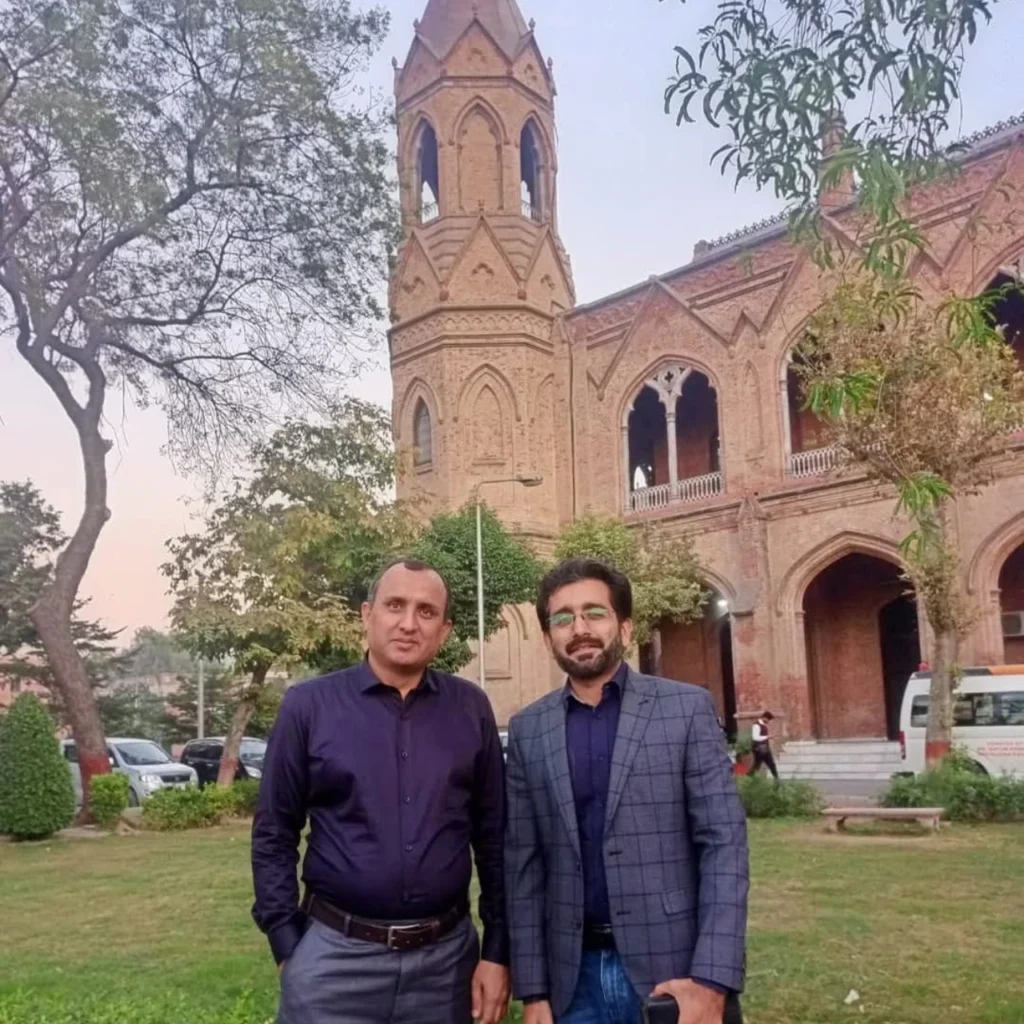
Walking through the historic corridors of Government College University Lahore on December 5, 2024, I felt a profound connection to the intellectual traditions that have shaped generations of thinkers. This was more than just a guest lecture—it was an opportunity to engage in a dialogue that would unravel how stories, whether told through words or images, shape our understanding of the world. From the very first exchange, it was clear this would not be a conventional talk. The students were not just listeners; they were interpreters, challengers, and co-creators of meaning. Together, we explored how symbols, metaphors, and cinematic imagery function as tools of communication—sometimes subtle, sometimes bold, but always powerful. Literature and Cinema: Two Mediums, One Language At first glance, literature and cinema seem like separate realms—one thriving in the stillness of words, the other in the movement of images. But at their core, both rely on symbols and structures that encode meaning beyond the literal. A rose in a novel may signify love, secrecy, or loss, while in a film, its meaning is further shaped by lighting, framing, and mise-en-scène. Meaning is never static; it evolves through interpretation, context, and perspective. One of the most thought-provoking moments of our discussion was the analysis of the red pill in The Matrix—not simply as a binary choice but as an evolving Peircean sign, a symbol of awakening and resistance deeply embedded in ideological narratives. This connected seamlessly with my own research, particularly in my recent paper, “A Peircean Semiotic Analysis of House Stark in A Game of Thrones” (DOI). The Stark direwolf, much like the red pill, is more than just an emblem—it is a dynamic signifier of survival, resilience, and shifting power structures. The direwolf’s meaning changes based on who wields it, who observes it, and the socio-political contexts surrounding it. This is the essence of semiotic analysis: recognizing that symbols do not just represent—they evolve. Semiotics: The Architecture of Meaning At the heart of our discussion was the science of meaning-making—semiotics. Ferdinand de Saussure’s dyadic model presents a stable relationship between the signifier (form) and the signified (concept). In contrast, Charles Peirce’s triadic model introduces the interpretant, highlighting how meaning is constantly reshaped by individual perception and cultural context. This led to an intriguing question: Is meaning inherent in a text, or does the audience create it? Consider Hitchcock’s staircases—mere set pieces, or visual metaphors for psychological descent and rising tension? What about the ticking clock in Beauty and the Beast—just a countdown, or a symbol of mortality, fate, and inevitable transformation? Our discussion soon expanded beyond cinema to cultural relativism in symbols. A white dress in Western literature symbolizes purity and new beginnings, while in parts of South Asia, it signifies mourning and grief. Similarly, an owl represents wisdom in Greek mythology but is seen as an omen in certain South Asian traditions. This realization—that symbols are not universal but culturally and historically negotiated—transformed the conversation from theoretical to deeply personal. A Shift in Perspective: From Passive Viewers to Critical Thinkers Then came that unmistakable moment—when students saw something familiar in an entirely new light. They realized they had always been engaging in semiotic analysis, even before knowing its name. The unease they felt at an off-center camera angle, the instinctive recognition of a recurring motif in a novel—these were not coincidences. They were acts of interpretation, of decoding meaning without consciously articulating it. This is where literary and cinematic scholarship truly begins—not in passively consuming narratives, but in questioning them, uncovering their hidden structures, and understanding their impact. As Umberto Eco (1976) famously stated in A Theory of Semiotics, interpretation is not passive; it is an active negotiation of meaning. Every image, every phrase, every seemingly minor detail in a story carries weight—not just in how the creator intended it, but in how the audience perceives it. Why This Matters Beyond the Classroom This conversation was never just about books or films—it was about understanding the frameworks that shape our perception of reality. Whether in literature, cinema, advertising, or politics, narratives are structured through symbols that guide thought, reinforce ideologies, and influence perception. Recognizing how meaning is constructed, who controls symbols, and how interpretations evolve is more than an academic skill—it is a critical tool for navigating an information-saturated world. The Conversation Continues… As I walked away from GCU that day, I felt reaffirmed in why I teach, why I research, and why this field continues to inspire me. Teaching is not about transferring knowledge—it is about igniting curiosity, about turning passive observers into engaged thinkers. And this conversation does not end here. Every book you read, every film you watch, every sign you encounter is an invitation to think deeper. So, I leave you with this question: What symbols in literature or film have left a lasting impact on you? Have you ever questioned their meaning beyond their surface interpretation? Let’s keep decoding the world together.

Transparent Language Online (TLO)

The Transformative Power of Transparent Language’s $225,000 Contribution to Akhuwat College

Some moments redefine what’s possible. Some decisions shape generations. Some partnerships change lives. This is one of those moments. For too long, language has been an invisible barrier that separates talent from opportunity. At Akhuwat College, we see this reality every day—brilliant young minds, full of potential, but held back simply because they were never given the tools to master English. Without fluency, doors to higher education, international scholarships, and global careers remain shut. Not because these students lack intelligence or ambition, but because they were born into circumstances where structured English learning was a privilege, not a right. That barrier is now coming down. Thanks to an extraordinary $225,000 commitment from Transparent Language, every student, instructor, and administrator at Akhuwat College Kasur and Akhuwat Women’s College Chakwal will have unlimited access for five years to Transparent Language Online (TLO)—one of the world’s most advanced web-based language learning platforms. Why This Matters This is more than just a contribution. It is a revolution in education. It is a declaration that where you are born should never determine how far you can go. It is an investment in the belief that knowledge should not be limited by privilege, but expanded by possibility. For the first time, thousands of underserved students will have access to the same high-quality, AI-powered language training as students in elite institutions around the world. It means that a young girl in Chakwal who never imagined studying abroad now has the tools to reach CEFR C1/C2 proficiency. It means that a student from a rural background, once hesitant to speak, will gain the confidence to lead, debate, write, and dream beyond borders. Michael Quinlan, CEO of Transparent Language, put it best: “Watching you in action has left me and my colleagues at Transparent believing that you and Dr. Saqib may very well achieve your ambitious goal of transforming the efficiency and effectiveness of education in Pakistan and beyond.” This is not just about learning English; it’s about unlocking a future that was once out of reach. It’s about preparing students to compete globally, think critically, and lead with confidence. At Akhuwat, we have always believed that education is the most powerful tool for breaking the cycle of poverty. This partnership reaffirms that belief. With Transparent Language by our side, we are not just teaching English; we are equipping a generation with the skills they need to thrive in a world that demands fluency, adaptability, and a voice that can be heard beyond borders. But this is just the beginning. Now that the doors have been opened, we must walk through them. We must take this momentum and expand it. The success of this initiative proves that strategic investments in education create lasting, transformational change. If we can do this for language learning, imagine what we can do for leadership development, digital literacy, and STEM education. This is more than an announcement—it is a call to action. To philanthropists, changemakers, global leaders, and education advocates: now is the time to act. The investment that Transparent Language has made will impact thousands, but there are millions more waiting for their turn. There are students with potential, passion, and a hunger to learn—but without access, their dreams remain just that—dreams. We invite you to be part of this movement—not just as donors, but as partners in rewriting the future of education. The next scientist, entrepreneur, or leader could be sitting in an Akhuwat classroom right now, waiting for the opportunity to rise. This is your chance to help shape that future. Transparent Language has taken the first step. Now, we ask: Who will step forward next? If you believe in a world where education is a right, not a privilege; where opportunity is defined by talent, not circumstance; and where no student is left behind simply because they lacked the right tools—then let’s make it happen. Together. 📩 Be part of this historic transformation. Partner with us in shaping a future where education knows no barriers. Contact us at inquiry@muhammad-asif.com. The future is waiting. The students are ready. The question is: Will you step forward to shape what happens next?

Transparent Language Online (TLO)

Effectiveness of Transparent Language Online

I’m excited to share my PhD study, “An Empirical Investigation into the Effectiveness of Transparent Language Online for Teaching and Learning English Language at the Tertiary Level”. This research highlights the transformative potential of Transparent Language Online (TLO) in advancing language education. By leveraging advanced technology, TLO represents a significant departure from traditional methods, offering a revolutionary approach that addresses gaps in language acquisition and enhances accessibility and engagement for diverse learners. Purpose: The study aims to increase technological awareness among English language educators in Pakistan and facilitate the effective integration of TLO, a web-based language learning platform, into both classroom and online environments. Lacuna: This research is groundbreaking because, to date, no prior study has directly examined the effectiveness of Transparent Language Online (TLO) in delivering foreign language instruction at the tertiary level. Data and Instruments: Conducted on a large scale, the study involved 1,000 students from four academic departments (computer science and business) at two universities in Pakistan. To assess TLO’s impact, standardized tests in reading comprehension, Use of English (six assessments), and listening (four assessments) were administered in carefully controlled synchronous environments. A total of 10,000 observations were collected, analyzed for normality, and subjected to various statistical tests to address research questions and hypotheses. Findings: The research demonstrated statistically significant benefits from using TLO, validated through rigorous statistical analysis. Disinterested Third-Party Research: It’s important to note that Transparent Language had no involvement in designing or funding this research, ensuring its objectivity. Transform Your English Language Programs: Take your teaching to the next level with Transparent Language Online. Explore how this web-delivered language learning platform can enhance your language instruction and empower your students to reach their full potential. Connect with us today to find out how we can support your educational goals.

Metaverse

The Metaverse: A New Chapter in Language Learning and Literary Exploration

Imagine exploring Charles Dickens’ bustling London streets, not through the pages of a novel, but via an immersive virtual reality experience. The Metaverse, a groundbreaking convergence of XR technologies (including AR, VR, and MR), offers a glimpse into the future of language learning and literary exploration. Gone are the days of rote memorization. The Metaverse promises a dynamic, interactive environment where language acquisition becomes an immersive odyssey. Engage with virtual characters from classic French literature, examine the intricate layers of Dante’s Inferno in a 3D environment, discuss American classics like Mark Twain’s Mississippi River Adventures, explore the existential depths of Russian literature with Dostoevsky’s Crime and Punishment, or participate in virtual book clubs across geographical borders. The goal is to identify tools that transcend vocabulary drills and grammar exercises, promoting a deeper appreciation for language and the rich tapestry of cultures it represents. This isn’t just about learning a language; it’s about unlocking the door to a world of literary treasures and building a global community of learners. Through my work in language learning and technology, I am exploring how platforms like the Metaverse can enrich educational experiences and foster global understanding. By merging literary exploration with immersive technology, I aim to create more impactful, engaging learning environments that bridge cultures and break down geographical barriers. How do you envision the Metaverse enriching your language-learning journey? What immersive literary experiences would you prioritize?

Scroll to Top